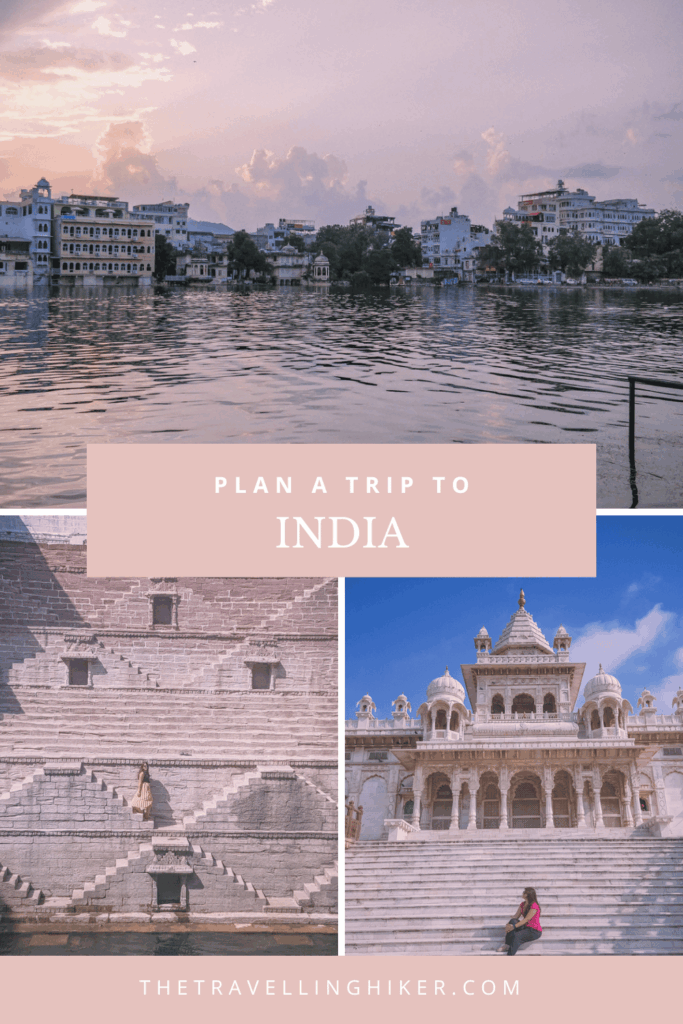
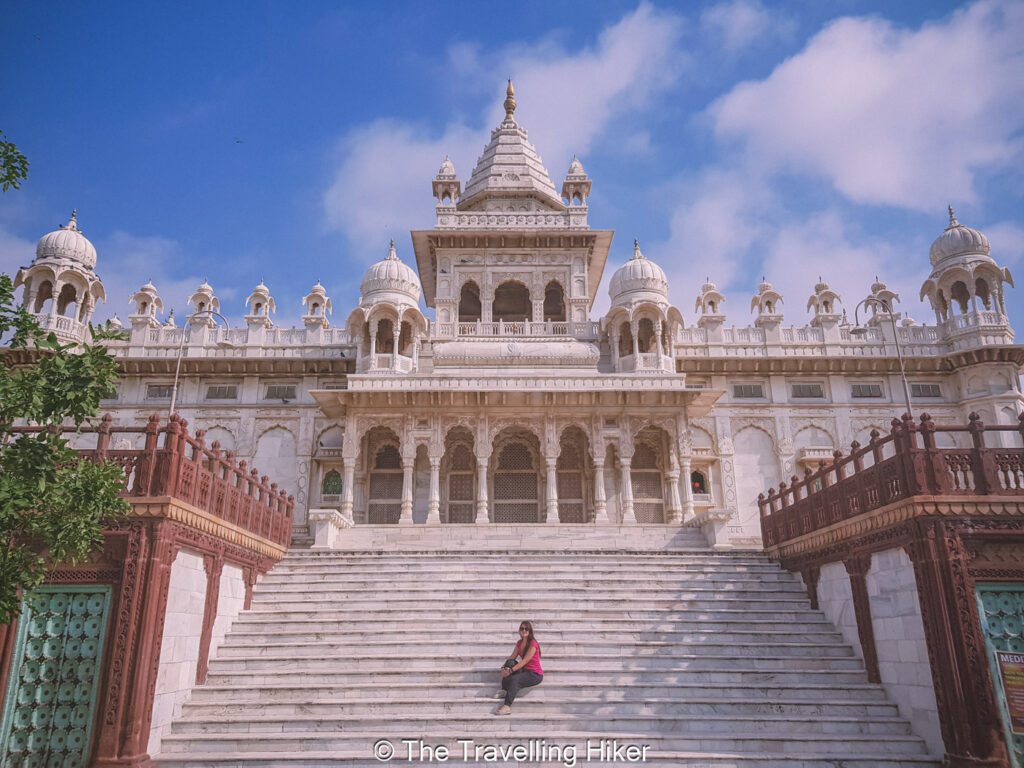
If you’re planning your first trip to India, you’re in for an unforgettable experience. You will discover a whirlwind of colors, flavors, and cultures unlike anywhere else on Earth. But with a country this vast and diverse, it can be a bit overwhelming to plan a trip to India. Where should you go? How do you move around the country? What should you pack? Is it safe to visit the country?
Don’t you worry! I’ve got answers to all these questions and I’ve created this India travel guide for first-time visitors to help you plan confidently and travel smart.
TABLE OF CONTENTS
INDIA - AN INCREDIBLY DIVERSE COUNTRY
When planning a trip to India, the first thing you have to understand is that India is a vast and diverse country. At some point, it will feel like you’re visiting a dozen countries in one.
The first thing that you need to do is accept that you can’t see the whole country in one trip. It is almost like Europe in size. Choose a few regions and take your tiem. The slower you travel, the more you will get to understand the country.
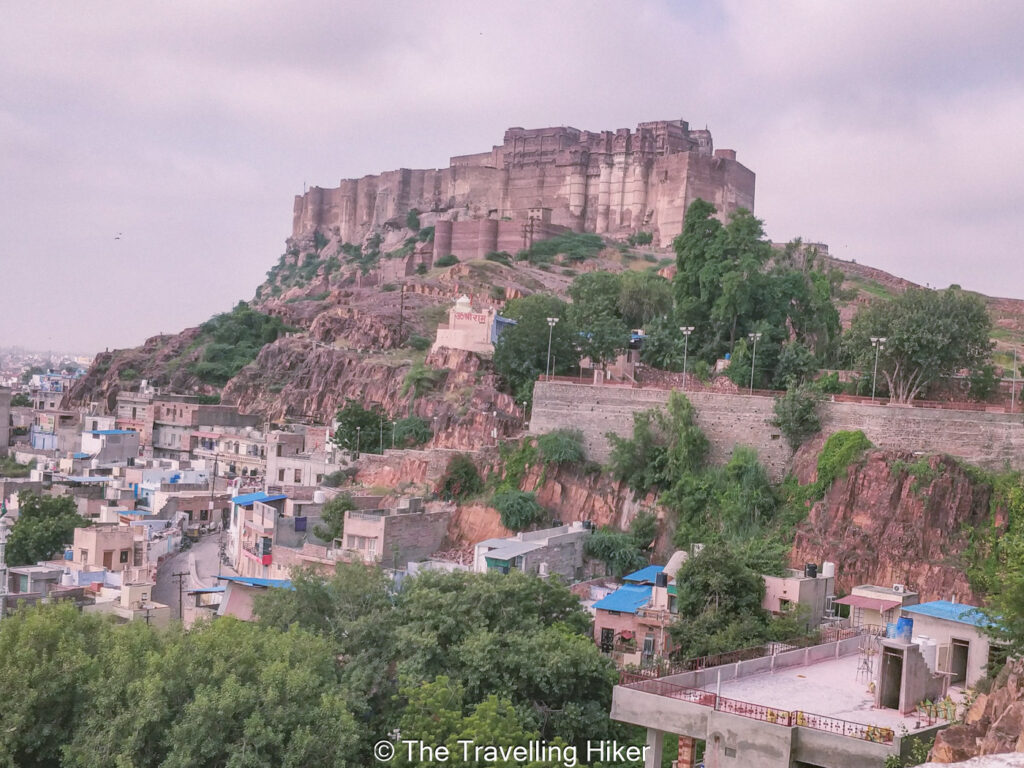
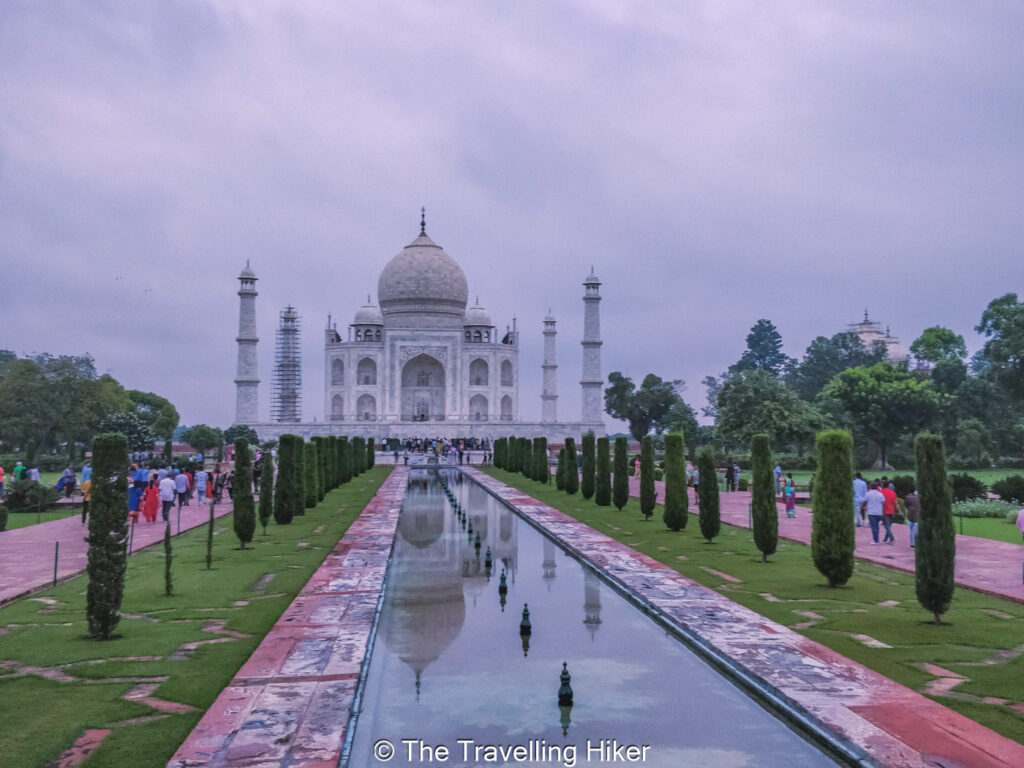
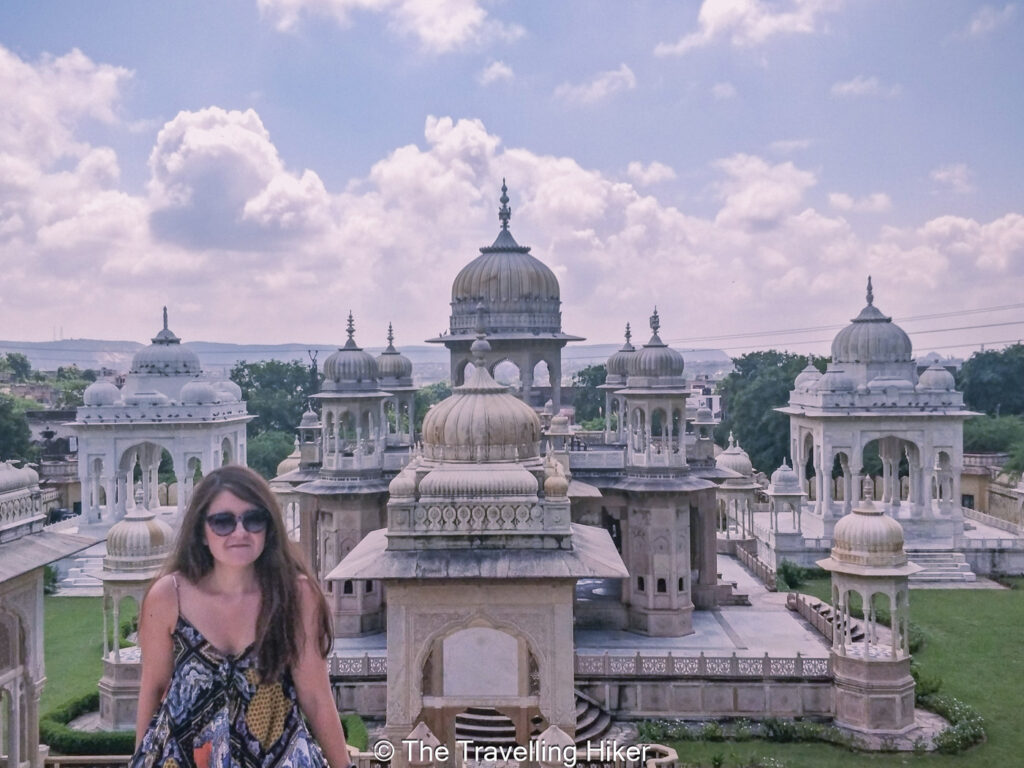
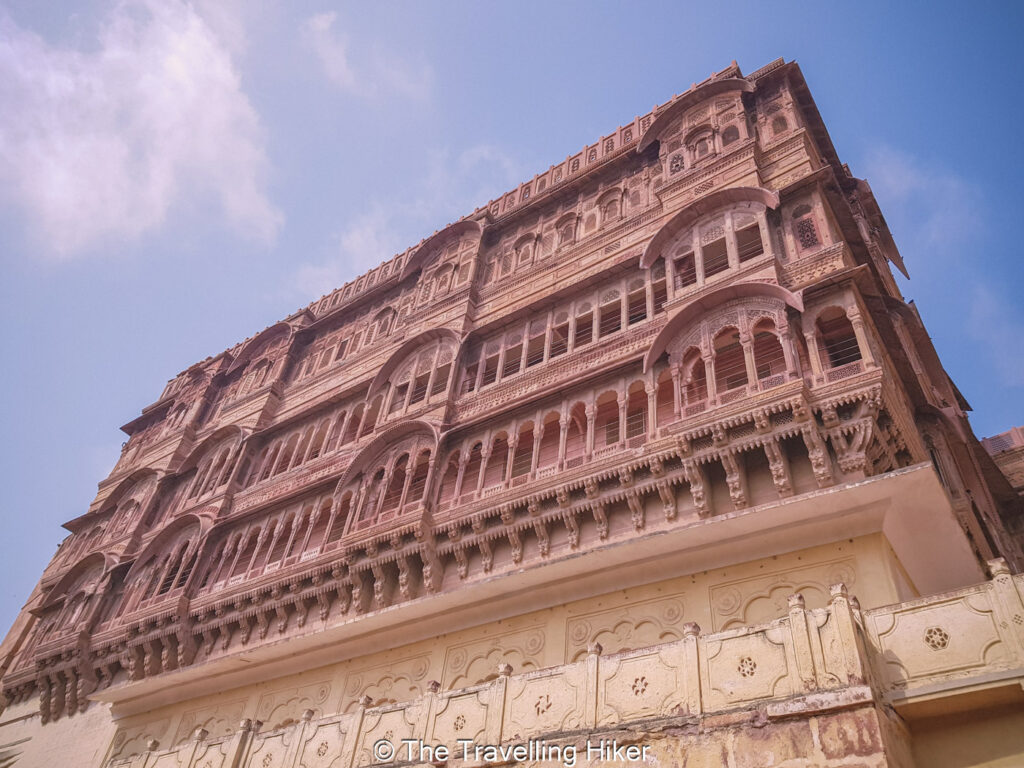
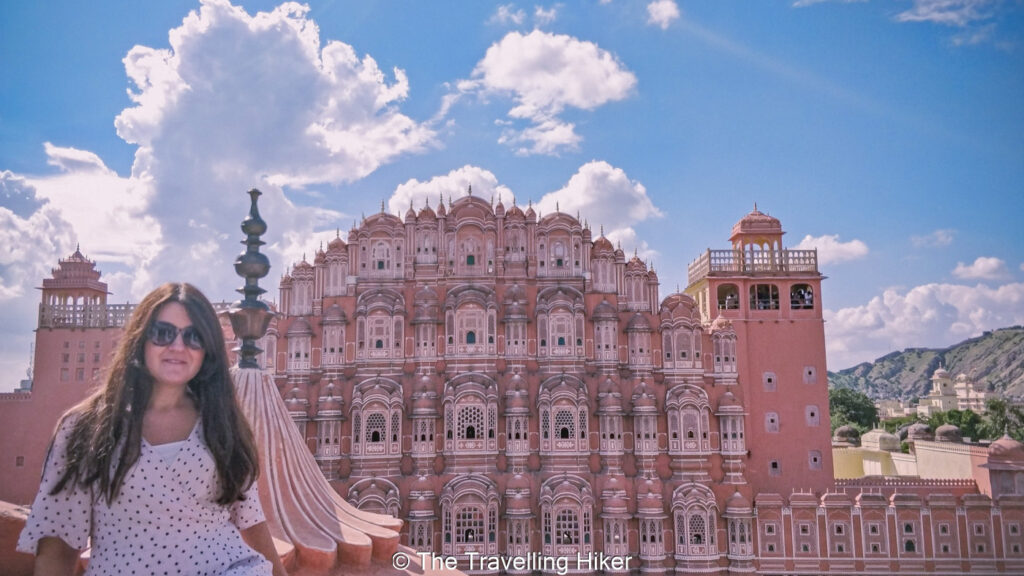
North India. The north offers mountains, deserts, and grand palaces. Some of the highlights will be the Himalayas, the Taj Mahal, and the breathtaking Rajasthan’s palaces.
South India. Enjoy the calm tropica beaches of the south, full of coconut trees.
East India. The eastern part of the country is full of tea gardens and monasteries.
West India. Looking for a hectic city buzz, then the energy of Mumbai is what you’re looking for.
WHEN IS THE BEST TIME TO VISIT INDIA?
There are three different season in India (not taking into consideration the mountains or the desert).
Dry season. This season goes between October and February/March. In these months temperatures are cooler and there is less rain.
Humid and warm season. This season goes between April and June. In these months, the heat can be intense.
Monsoon season that goes between June and September. Expect a lot of heavy rain in these months.
These seasons vary a bit depending on which part of the country you are planning to visit. For the most part of the country, the best months to visit (high season) is between November and March but I do recommend, you do some extra research if you’re planning to visit the Himalaya mountains or the southern coast.
DO YOU NEED A VISA TO ENTER INDIA?
Yes, most travelers visiting India will need an e-Visa to enter the country.
The process to get it is quite simple and can be done through theofficial Indian government website. All you need to do is have a valid passport, a recent photo, and proof of your return ticket. You can apply online and pay the fee via this website. Once approved, print your e-Visa and carry it with you when you arrive.
Tip: Avoid using unofficial websites. Many charge extra fees or even sell fake visas. The official site is the only one you need.
GETTING TO INDIA
Unless you have been traveling through one of the neighboring countries, you will most probably arrive in India by air. There are several international airports in India (Delhi, Mumbai, Bangalore, Chennai, etc.). It will all depend on which part of the country you are planning to visit.
All these airports are very well connected with public transportation, which makes it easier to reach the city center if you are traveling on a budget.
Another alternative is to use a ride app like Uber or Ola, which work really good in India. These are very affordable and you avoid the inconvenience of having to negotiate the price of your ride if you take a regular taxi.
HOW TO MOVE AROUND INDIA?
Moving around India can be intimidating at first, but it is quite simple. It all depends on your budget, your time, and where you want to go.
BY PLANE
Flights are a great option if you need to cover big distances fast. India has many budget airlines, and flying can save you hours on long routes. Big cities like Delhi or Varanasi have frequent connections to smaller destinations.
We did the following journeys with internal flights:
Delhi – Jodhpur
Jaipur – Varanasi
Varanasi – Delhi
I recommend you book your flights ahead of time. You can do so with Kiwi.com.
BY TRAIN
Trains are one of the best ways to see India. They connect almost every city in India, and they give you a glimpse of local life along the way. When booking your tickets, you can choose between different classes, from basic seats to air-conditioned sleepers.
Booking tickets in advance is a good idea, especially for popular routes like Delhi to Agra or Jaipur to Udaipur. Book your tickets with 12Go.
BY CAR WITH A PRIVATE DRIVER
Hiring a car with a private driver is another super convenient way to travel around India. This was actually our preferred way of exploring the country, and I have to say it was quite comfortable and very affordable.
Tip: When booking your car, make sure to insist that the car has seatbelts installed.
We mostly booked our car the day before at the local offices, which made it quite affordable and flexible. However, if you prefer to have it more organised, it is also possible to book it in advance at 12Go.
BY TUK-TUK, TAXI OR SIMILAR
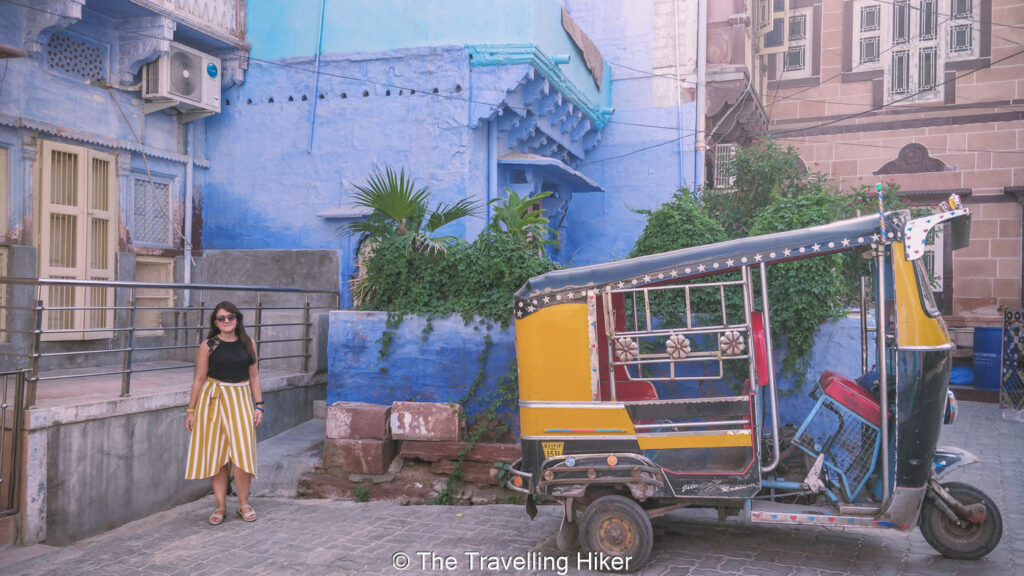
In cities, getting around is super easy with taxis, tuk-tuks, and ride apps like Uber and Ola. If you want to avoid scams, always agree on a price before starting your ride if you are not using an app.
WHAT TO VISIT IN INDIA?
As mentioned before, it is not possible to visit everything in just one trip. Travel distances in India can be long, so choose fewer stops and spend more time in each place. You’ll enjoy it far more.
If this is your first time in India, I recommend to start with one of the most popular routes in India. Delhi – Rajasthan – Varanasi. This classic route in the northern part of India combines, history, culture, and traditions.
If you’re looking for something calmer, try the south of India. You can begin your trip in Bangalore, visit the royal city of Mysore and finish in the coastal part of Kerala.
Want a beach vacation? Then, explore Mumbai, Goa, and Hampi for a mix of culture and relaxation.
I get it, you might be concerned about getting sick in India. I know I was before I traveled there. I had heard plenty of horror stories in the news and from acquantainces that had had bad experiences. However, this should not prevent you from visiting the country.
Yes, some people get sick in India, especially food poisoning for those who experiment with their food. However, there are also millions of people who visit India and nothing happens to them. I, myself, didn’t get sick during my trip. All you have to do is use your common sense. Only drink mineral water from a completely new bottle, skip ice in your drinks, avoid raw vegetables or fruits that are not peeled, etc.
The scary diseases (malaria, dengue, typhoid, etc.) mostly occur if you visit certain areas of the country and during certain seasons. And even then, you might just be fine as well.
DO YOU NEED A TRAVEL INSURANCE?
This is a tricky question. Purchasing a travel insurance is not really mandatory for India. However, I believe it is the smartest decision to buy insurance before traveling to India. If things go down the worst possible outcome, you will be so relieved to have a good travel insurance to cover your expenses.
I always get my Travel Insurance with World Nomads and, even though I have never had to use it during a travel (fingers crossed it stays like this), it gives me such a peace of mind to have one.
DO YOU NEED ANY SPECIFIC VACCINATION ?
This is a question you should be asking your doctor. Every person is different and the requirements might change depending on the time of the year you are visiting the country.
There are some general vaccinations that are recommended if you want to visit India. When I visited the country, my doctor advised me to get a shot for Hephatitis A & B, and Typhoid Fever. However, this was my specific case!
Please contact your doctor to get a correct assessment based on your health history.
WHAT DOCUMENTS DO YOU NEED TO BRING WITH YOU?
Of course you should always bring your passport and a copy of your approved visa application. These are obvious (I hope). On top of that, I always bring with me the following:
Photocopy of your passport and visa. If your hotel has a safety box, you can always leave your documentation there and bring the copies with you.
Travel Insurance. A printed copy of your purchased travel insurance is a must. You don’t want to be searching through your email when you’re sick or injured.
Student ID. If you are a student, your student ID is a must in India. There are many discounts for students at famous heritage sites.
Electronic copy of your tickets in your phone. These are very important in India. For example, security guards might not let you inside the airport terminal if you can’t show your electronic ticket.
ACCOMMODATION IN INDIA
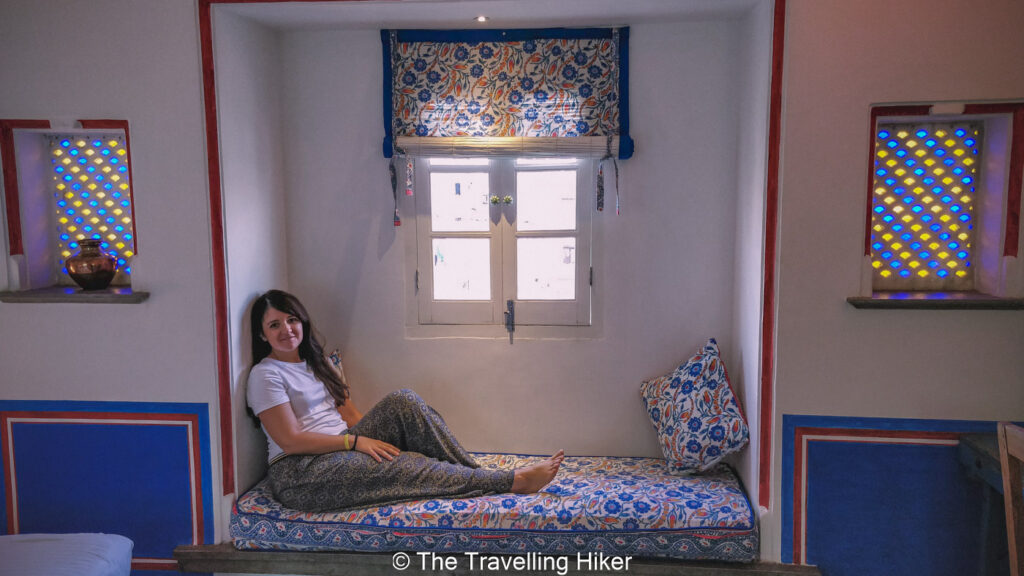
India has all sorts of accommodation for all kinds of budgets. You can find clean hostels for a few dollars, charming guesthouse for a modest price, and luxury hotels that rival the best in the world.
During my trip to India, I always choose to stay in guesthouses and family-owned boutique hotels and had the best experience. Hotels were comfortable, well-maintained and so charming!
I always book my hotels with booking.
Many people will recommend you to only book the first few nights of your stay in India and then book as you need. However, if you want to stay in comfortable and charming boutique hotels like I did, I recommend you book your accommodation well in advance.
The best boutique hotels and guesthouses, do sell out fast.
INDIAN CUISINE AND DRINKS
Indian foos is one of the world’s great pleasures. The spices, colors, and flavors are unforgettable.
If you’re vegetarian, India will be your paradise. A big part of the Indian population is vegetarian so the options are endless. But don’t worry, if you’re not vegetarian, there are also many national dishes that contain meat or fish. You will also find many international restaurants but let’s be honest, you’re in India! Enjoy the local delicacies! You will not regret it!
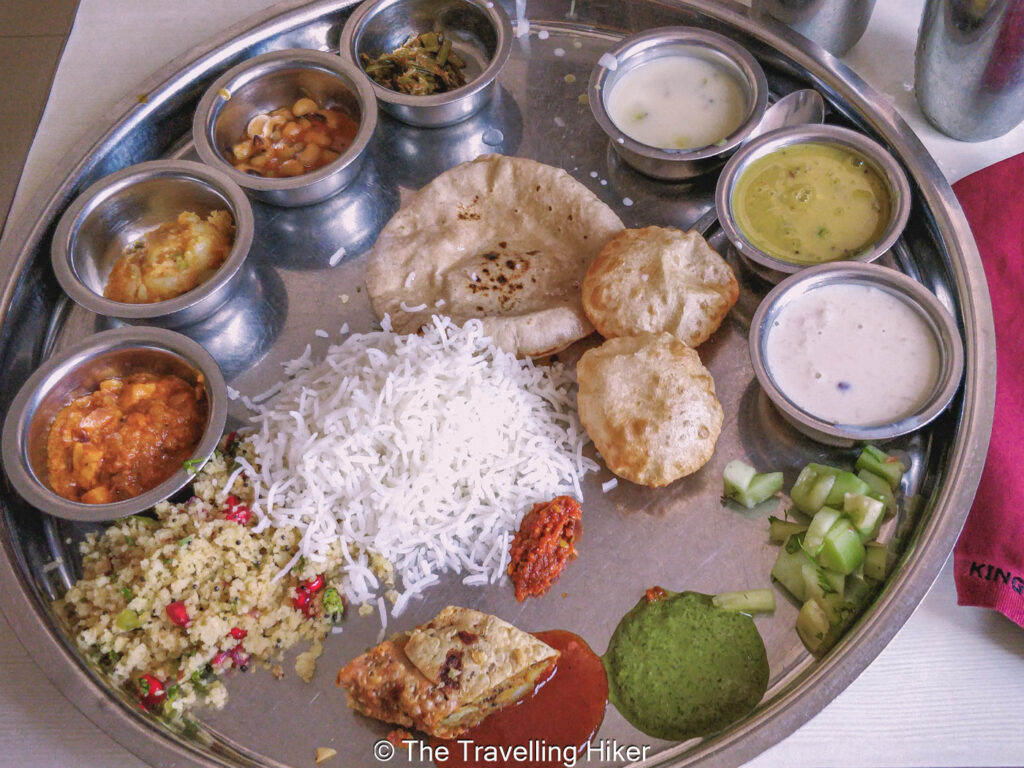
Throughout my trip to India had a lot of tasty and delicious foods: Naan breads, Thalis, Aloo gobi, chai, mango lassi, etc. My mouth just waters of remembering these dishes.
MONEY AND DAILY COSTS
The currency in India is the Indian Rupee, and one Euro is roughly a 100 rupees as of late 2025.
Credit cars work in most hotels and restaurants although it is recommended to always have some cash with you for small shops or villages. You can withdraw cash easily from ATMs in most cities.
Alternatively, you can exchange money in the airport, banks, separate exchange offices or even some travel companies. However, always check what is the conversion rate before you exchange money to try to get the best deal possible.
SIM CARDS IN INDIA
Access to intenert will give you a lot of freedom. It will allow you to get access to online maps, use ride apps, order food, and access to whatever information you need.
It is possible to get a sim card at most international airports with quite competitive prices. However, these will have the inconvenience that the sim card activation might take up to a day. This happened to us when we traveled to India and did not have access to Internet on our first day.
I always recommend getting an e-sim (always check that your phone is compatible before purchasing it). This way, you can install you eSim before departure and activate it as soon as you land.
I always get my sim cards with Airalo and have never had any issues with them.
SAFETY IN INDIA
India is generally safe for travelers, but it demands awareness. Keep an ey of your belongings in busy places and always use registered taxis or ride apps. Avoid dark and lonely areas at night.
As a woman, I have to admit I was a bit concerned before my travel to India. However, I have to admit that I went there with my best friend and we felt completely safe throughout our trip. Nevertheless, I recommend you dress conservatively and always use your common sense. If something doesn’t feel right, it is for a reason.
WHAT TO PACK FOR INDIA?
when packing for India, I recommend you pack light and practical. You will be able to buy almost anything there, so don’t stress over you packing list. The lighter your bag, the freer you’ll feel.
Here’s a short summary of what you should bring.
Clothes. Try to take the minimum clothes and make sure that they are appropriate for the local & culturarl norms.
Footwear. Don’t bother bringing fancy shoes. India is very dusty so always target for comfortable shoes that can withstand water in case it rains.
Daily backpack. You will want to carry a bunch of stuff with you throughout the day. A small backpack will allow you to carry things like a water bottle, a shawl to wear in religious places, anti-mosquito spray for the evenings, hand sanitizer, etc.
Medicines. I always bring some basic stuff with for headaches and food poisoning. And of course, some specific medications that are prescription necessary and I will not be able to get in India.
Toiletries. I will only recommend that you bring very specific things that you absolutely need. You can find almost anything in India.
Earplugs. It can get very noisy in India, especially in big cities.
Toilet paper. You don’t need to specifically bring this from home but I do recommend that once you are in India, you buy some in a shop. It is not always available everywhere.
Sunscreen. Sun in India is no joke, make sure you always apply enough sunscreen to protect your skin.
Mosquito repellent. It is recommended to always use some mosquito spray to protect yourself, especially at night.
Plug adapters and voltage converters. India uses plug type C, D and M.
EMBRACE THE CHAOS
India doesnt’ always move in straight lines. It flows, twists, and surprises you at every turn. You might see a cow blocking traffic, a whole family riding a scooter on the highway, and monks peacefully walking by all at the same time.
If you expect order, you’ll feel lost. Just embrace the chaos and learn to enjoy the Indian way of life. It will certainly teach you patience, and openness.
FINAL THOUGHTS
You’re first trip to India will change how you see the world. You’ll remember the tast of chai, the warmth of people, and the colors that never fade.
Don’t rush. Don’t overplan. Let India show itself to you one day at a time.
This India travel guide for first-time visitors is your map, but the real magic begins when you step off the plane and into the busy streets of Delhi.
Safe travels, and welcome to India.
DISCLAIMER: Did you know? This blog uses affiliate partnerships. When you click and book or make a purchase through one of my blog posts, I may receive a small commission (at no extra cost to you). Thank you for supporting The Travelling Hiker!